The global fashion industry produces an estimated 100 billion garments a year. A growing share is cheap, trend-driven “fast fashion” designed to be worn a handful of times before disposal. The business model depends on speed and volume: some retailers now drop new styles weekly, or even daily, and price each piece so low that throwing it away feels costless. It is not.
A linear model
Most clothing is made from polyester and other synthetic fibres derived from petroleum, which means the wardrobe and the oil counter on this site are connected. Production is water- and energy-intensive: a single cotton T-shirt can require thousands of litres of water to grow and process, and dyeing is one of the largest industrial polluters of rivers in manufacturing regions. When trends shift, unsold stock is often incinerated or landfilled rather than discounted, because brands would rather destroy inventory than dilute their image.
The numbers compound at the end of the chain. Clothing “utilisation” (how many times a garment is worn before it is discarded) has fallen by around 40% in two decades. We buy more and wear each item less. Less than 1% of the material used to make clothing is recycled back into new clothing, so almost everything produced is, in effect, made to become waste.
Where the cast-offs go
Donated clothes are not a clean solution. A large fraction of garments dropped in charity bins are baled and exported to countries in West Africa and South Asia, where markets are now saturated. Unsellable bales pile up in landfills and on beaches: the so-called “dead white man’s clothes” washing up on the shoreline in Ghana are a direct downstream symptom of fast fashion in wealthier nations.
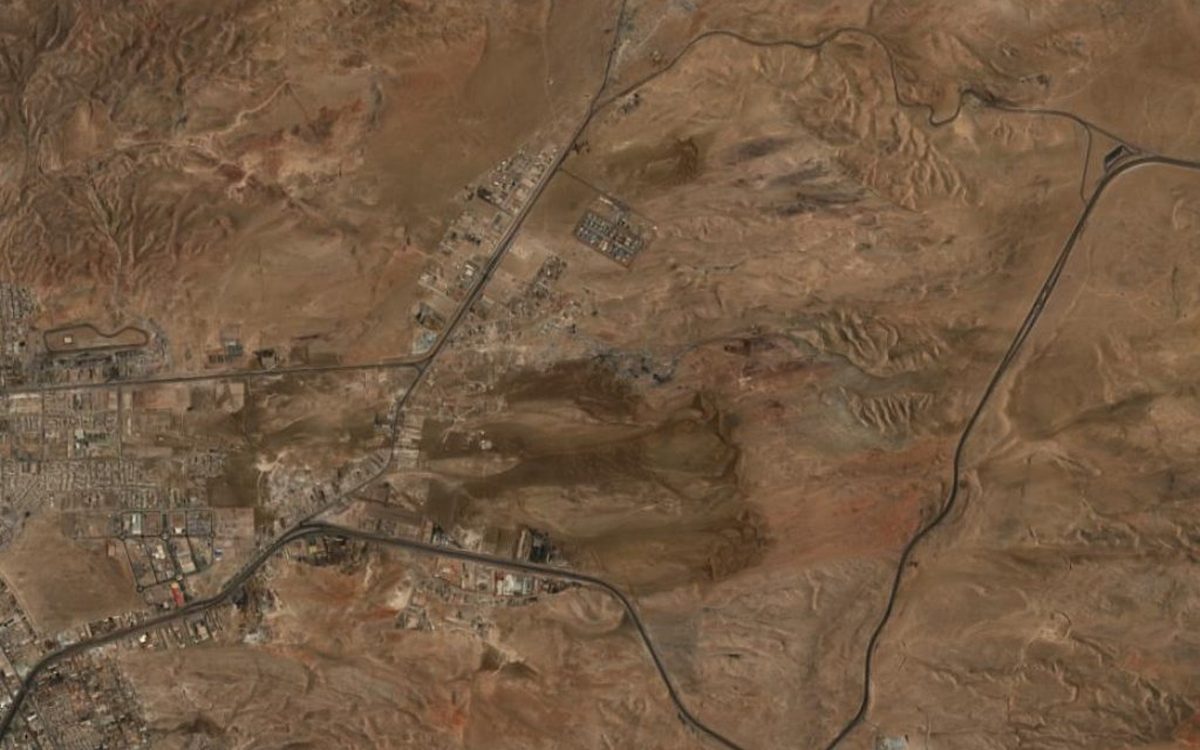
The same pipeline has left a clothing mountain in Chile’s Atacama Desert, one of the driest places on Earth. Outside the northern city of Alto Hospicio, an estimated 60,000 tonnes of discarded garments now cover stretches of desert, a sprawl large enough to show up clearly in satellite imagery. Well over 60,000 tonnes of second-hand clothes arrive each year through the free-trade port of Iquique, shipped from Europe, the United States, Canada, and parts of Asia. Traders sort and resell what they can across Latin America, supporting local jobs, but poor-quality, damaged, outdated, and unsold surplus is expensive to remove. Some of it is abandoned or burned in the surrounding desert rather than paid through as proper waste.
Among the piles are winter coats, sportswear, children’s clothing, shoes, and garments that still carry original price tags, never worn by a consumer before entering the global second-hand market. Synthetic fabrics can remain in the environment for decades. Wind spreads loose fibres, sunlight breaks materials into smaller particles, and illegal burning releases hazardous smoke that nearby residents have reported forcing them indoors. Northern Chile did not create this waste; it inherited it.
Microfibre pollution
Every wash of synthetic clothing releases thousands of microplastic fibres into wastewater. Treatment plants capture some, but billions reach rivers and oceans annually. Fashion is now a significant source of microplastic pollution alongside packaging: fibres that end up in seafood, salt, and drinking water, as covered in our piece on microplastics in the food chain.
Breaking the cycle
The most effective change is buying less and keeping clothes longer:
- Buy fewer, better items and prioritise durability over trend.
- Extend garment life through repair, alteration, and the second-hand market; resale platforms have made this easier than ever.
- Wash synthetics less often and cooler, and use a microfibre-catching filter or bag.
- Support brands with transparent supply chains and genuine take-back programmes, not just a “conscious” label.
Individual habits matter, but the decisive lever is regulation. Extended producer responsibility for textiles (making brands pay for the collection and recycling of what they sell) is gaining traction in the EU and beyond, and France has begun penalising the lowest-durability fast fashion directly. Chile is moving textiles into its own producer-responsibility framework for the same reason: so importing countries stop absorbing the cost of clothes the rest of the world no longer wants. Pair that with honest marketing rules and the throwaway model starts to lose its built-in subsidy.
Sources
- The Times of India: The clothing mountain visible from space
- Ellen MacArthur Foundation: A new textiles economy
- UNEP: Sustainability and circularity in the textile value chain
- Quantis: Measuring fashion environmental impact
- The Or Foundation: Dead white man’s clothes
- IUCN: Primary microplastics in the oceans
- Image: contains modified Copernicus Sentinel-2 data via EOX Sentinel-2 cloudless (CC BY 4.0)